
Greyhound racing betting involves placing wagers on dogs competing in short sprint races around oval tracks. The dogs chase a mechanical lure over distances usually between 300 and 750 metres. Bettors predict which dog will finish first or place in the top positions. This form of betting combines speed, strategy, and timing in races that typically last less than 40 seconds.
Races run frequently at Irish tracks, often every 15 to 30 minutes during meeting days. This pace gives bettors many opportunities throughout an evening. Odds remain accessible for both beginners and regular players, while most major bookmakers offer live streaming of Irish meetings. These features make the activity convenient for those who prefer quick decisions over longer events.
Greyhound racing holds a special place in Irish culture and betting markets. The sport maintains strong support across the country, supported by Greyhound Racing Ireland and historic venues. Many locals and visitors follow the action regularly, particularly during major festivals.
With a clear understanding of the basics, new bettors can approach greyhound racing betting in Ireland with confidence and build their knowledge step by step.
Greyhound Racing in Ireland
Greyhound racing in Ireland has deep roots that stretch back to the early 20th century. The sport developed from traditional coursing practices and gained modern form with the opening of the first tracks. The initial meeting in the Republic took place in 1927 at Shelbourne Park in Dublin. Within a few years, racing spread to several venues across the country. This growth laid the foundation for today’s structured betting environment, where races now integrate with online platforms and widespread wagering options.
Greyhound Racing Ireland serves as the central body overseeing the sport. Established in 1959 as Bord na gCon, it later became known as Greyhound Racing Ireland. The organisation licenses tracks, registers greyhounds, and enforces rules on welfare, racing integrity, and betting operations. It works to maintain standards across all licensed stadiums while supporting the industry’s development in a regulated framework.
Responsible gambling remains an important part of the Irish scene. Greyhound Racing Ireland encourages bettors to set limits and use available tools for control. Operators provide self-exclusion options and promote awareness of gambling risks.
Understanding this background helps new participants appreciate the structure behind greyhound racing betting in Ireland. With steady progress in regulation and access, the sport offers a clear path for those who wish to engage thoughtfully and build their experience over time.
Understanding How Betting on Greyhound Racing Works in Ireland
Betting on greyhound racing follows a clear process once you learn to read the information presented before each race. Irish racecards provide all the essential details needed to make informed choices. These cards show every dog’s recent performances, starting position, and other key data in a standardised format.
Greyhound racing cards list dogs by their trap number, from one to six. Trap one sits on the inside of the track, while trap six occupies the outside. The starting box position often influences the race outcome because of the bends on Irish circuits. Bettors pay close attention to which trap suits each dog’s running style.
The grading system on Irish cards ranges from A1 to AAO. A1 represents the highest standard for a given distance, while lower grades such as A5 or A6 indicate less experienced or slower dogs. This system allows bettors to see the level of competition and spot dogs moving up or down in class. Reading form involves checking the last few results, sectional times, and comments on how each greyhound performed.
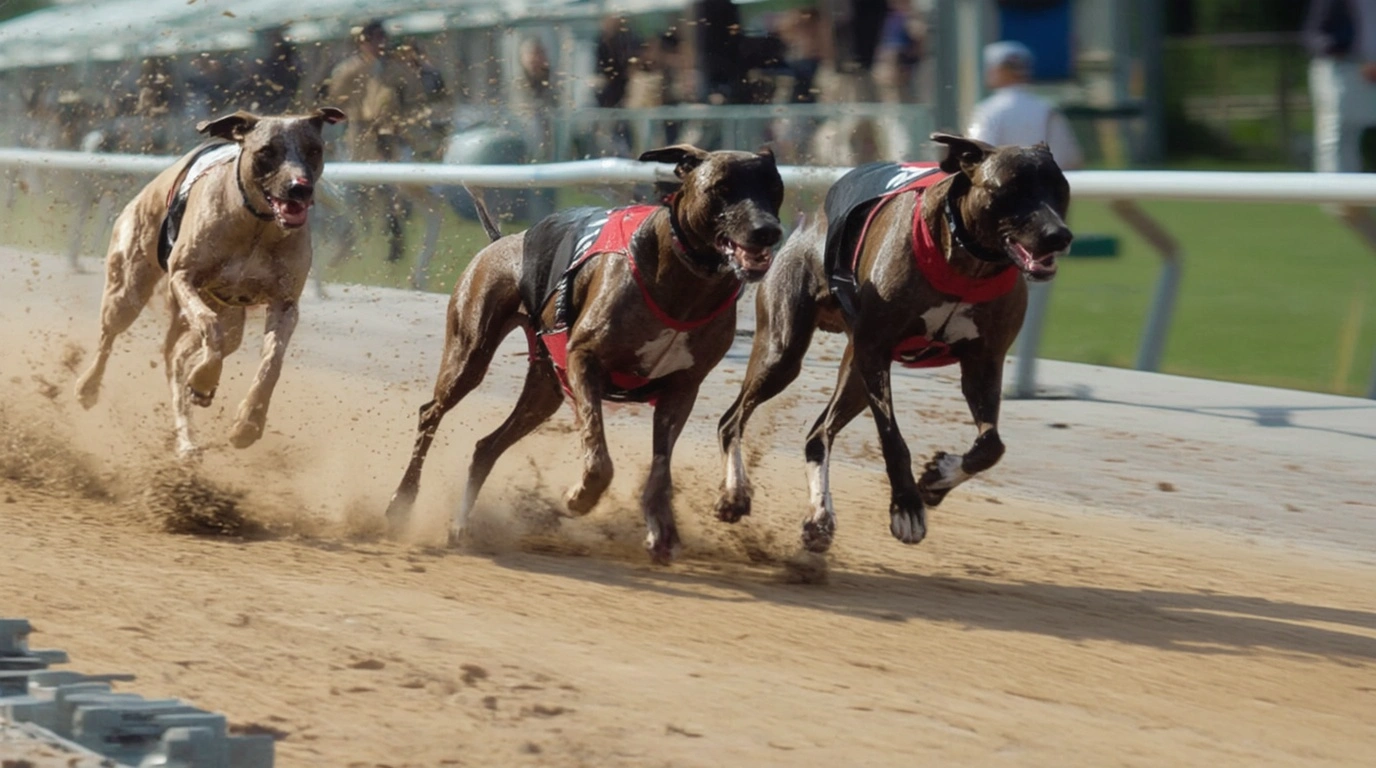
Distances play a major role in Irish racing. The classic trip remains 525 yards, which suits many dogs and features in most major events. Other common distances include 480 yards for sprints and longer races up to 750 yards or more. Each dog shows clear preferences for certain distances based on past results.
Irish-specific rules add further detail to the cards. They include official ratings, the dog’s weight on the day, the trainer’s name, and whether the greyhound wears a muzzle. Meeting conditions and track surface information also appear regularly. These elements help create a complete picture before placing any bet.
Once the racecard details become familiar, the process of betting on greyhound racing feels more manageable. Many bettors begin by focusing on one or two meetings per week to build their understanding gradually. This measured approach leads to better decisions over time.
Greyhound Racing Results predictions(26.10.2026)
| Race | Predicted Winner | Odds |
|---|---|---|
| Shelbourne Park – A3 525m (Race 3) | Trap 1 – Ballymac Rebel | 3.50 |
| Curraheen Park – Irish Laurels Rd 1, 525m | Trap 4 – Slippery Slope | 5.00 |
| Limerick – Con & Annie Kirby Memorial, 550m | Trap 2 – Dark Destroyer | 4.50 |
| Galway Stadium – A2 480m (Race 6) | Trap 6 – Westside Hawk | 6.00 |
| Dundalk – A1 480m (Race 5) | Trap 3 – Coolavanny Jet | 7.50 |
Popular Bet Types in Irish Greyhound Racing
Irish players have access to a wide range of bet types when they bet on greyhound racing. The variety allows both beginners and more experienced bettors to choose options that match their risk level and knowledge. Understanding these choices helps build a practical approach to wagering.
To Win
To win betting represents the most direct form of greyhound racing wagering in Ireland. You select one dog in a race and place your stake on it to finish in first position. If your chosen greyhound crosses the line ahead of the other five runners, your bet wins at the greyhound racing odds available when you placed it.
The basic rules are simple to follow. Each race features six greyhounds running from traps one to six. Your selection must be the outright winner for the bet to pay out. The return consists of your original stake multiplied by the odds, plus the stake returned. For example, a successful €10 bet at 4/1 odds returns €50 in total.
Bookmakers display win odds clearly on their platforms and on-course boards. These odds can change right up to the off as money comes in. Irish tracks allow both pre-race and some in-play betting on the win market, though most players prefer to decide before the traps open.
Each-Way Betting
Each-way betting stands as one of the most practical choices for many players in Irish greyhound racing. This bet splits your stake into two equal parts. One portion covers the dog to win the race, while the other covers it to place in the top positions.
The place part usually pays out if your selection finishes in the first two or first three, depending on the number of runners and the bookmaker’s rules. For a six-dog race, the place is commonly the top two. The win portion pays at the full odds, while the place portion pays at a fraction of those odds, often one quarter or one fifth.
For example, a €10 each-way bet on a dog at 5/1 odds means €5 on the win and €5 on the place. If the dog wins, both parts pay. If it only places, you still receive a return on the place part. This structure gives a safety net while keeping the possibility of a larger payout.
Irish bettors favour each-way betting because it suits the competitive nature of races where interference or poor breaks can affect the winner. It allows you to back a promising dog without needing it to win every time.
Learning each-way betting adds flexibility to your approach on greyhound racing cards. Many players begin with this format to gain experience and manage risk while they develop their analysis skills. Over time, it becomes a reliable part of a measured betting routine.
Forecast Betting
Forecast betting requires you to predict the first and second placed dogs in a race. This bet type offers higher potential returns than standard win bets because of its increased difficulty. Irish punters often use it when they have a clear opinion on the leading pair after studying the racecard.
Straight Forecast
In a straight forecast you must name the exact order of the first two finishers. If you select dog A to finish first and dog B second, they must cross the line in that precise sequence for the bet to win. Payouts can be substantial due to the precision required.
Reverse Forecast
A reverse forecast pays out if your two chosen dogs finish first and second in either order. This version gives you more chance of success compared to the straight option while still delivering attractive combined odds. Most bookmakers calculate the return based on the total stake.
Forecast bets work particularly well on Irish tracks where trap bias and early speed often determine the top two positions. Many players focus on strong early leaders from favourable traps when building their forecasts.
This betting format rewards careful analysis of form and running styles. It encourages bettors to watch replays and sectional times more closely.
Once you become comfortable with forecast betting, straight and reverse options add another practical layer to your greyhound racing betting in Ireland. Starting with small stakes on reverse forecasts allows you to gain experience while keeping risk under control.
Tricast Betting
Tricast betting asks you to predict the first three greyhounds to finish in a race. A straight tricast requires the exact finishing order of all three dogs. A combination tricast covers multiple possible orders of your chosen three selections. This format delivers higher payouts due to its difficulty but also carries greater risk.
In greyhound irish racing, tricast bets work best in races where you can confidently identify the top three contenders from the racecard. Strong early pace dogs and those with good trap draws often feature in successful tricasts. Bookmakers calculate returns based on the total stake and the finishing combination.
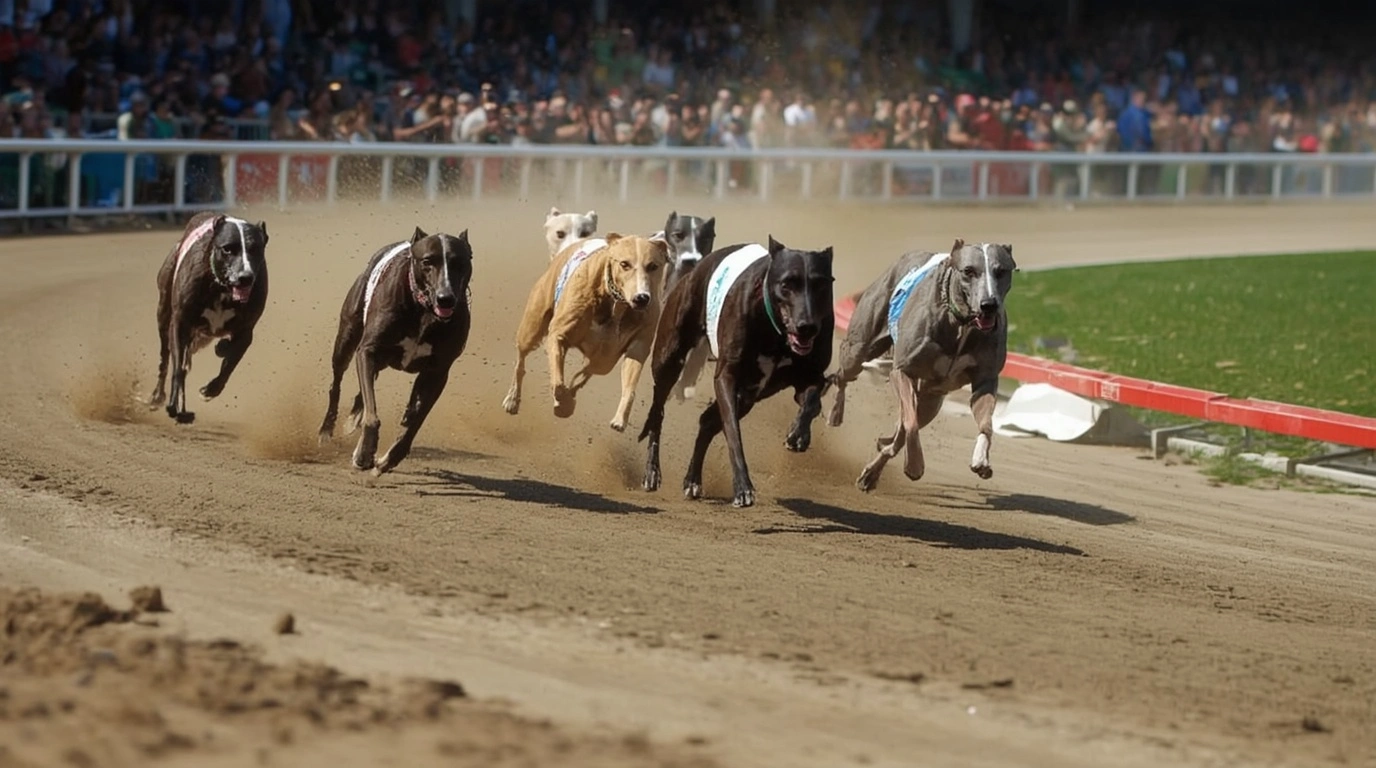
Many Irish players use small stakes on combination tricasts to balance potential reward with manageable risk. This bet type rewards detailed study of recent form and track biases.
Learning tricast betting adds depth to your greyhound racing experience in Ireland. With patience and careful selection, it becomes a useful option once you feel confident reading race conditions and dog capabilities.
Combination Forecast
Combination forecast betting lets you cover more than one possible pair of dogs for first and second place. Instead of selecting just two dogs, you can choose three or four and cover every possible pairing among them. This increases your chances of a winning forecast while raising the total stake required.
This format suits races where two or three dogs stand out clearly but the exact order remains uncertain. Irish punters often apply it on competitive graded races where early speed and trap position create several likely scenarios.
The payout depends on which pair finishes first and second, with returns calculated across all covered combinations. It provides more flexibility than a single straight or reverse forecast.
Combination forecasts offer a practical middle ground for bettors developing their skills. They encourage broader analysis of the racecard while keeping the focus on the likely leading dogs. Many players start small with this format to build confidence before larger commitments.
Trap Betting
Trap betting focuses on the starting box rather than individual dogs. You back a specific trap number to produce the winner across several races in a meeting. For example, you might bet on trap three to win in race 4, 6, and 8.
This approach works well because many Irish tracks show consistent trap biases depending on distance and track layout. Inner traps often hold advantages on certain bends. Bettors study recent results to identify which traps perform best at each venue.
Trap betting simplifies decision-making and suits players who prefer statistical patterns over detailed form study. It spreads risk across multiple races instead of concentrating on single selections.
This method provides a structured way to engage with greyhound racing betting in Ireland. It helps beginners learn track characteristics while offering experienced players a consistent betting framework they can monitor over time.
Ante Post Betting
Ante post betting involves placing wagers on major events well before the day of the race. You can bet on winners of prestigious competitions such as the Irish Greyhound Derby or Irish Oaks weeks or months in advance. Odds are usually higher at this stage because the outcome remains uncertain.
This format rewards knowledge of young promising dogs, strong kennels, and early qualification rounds. Once a dog is eliminated, the ante post bet is lost, which adds extra risk. However, successful ante post bets can deliver significant returns.
Irish bookmakers offer ante post markets on all major festivals. These bets create longer-term interest in the sport and encourage ongoing research.
Ante post betting suits players who enjoy following greyhound development over time. It adds another dimension to your involvement with greyhound racing in Ireland and can make big events more engaging when you have a stake in the outcome.
Tote Betting
Tote betting operates as a pool system in Ireland. All stakes on a particular bet type go into a shared pool. After the operator deducts a small percentage, the remaining money is divided among the winning tickets. This differs from fixed odds where the bookmaker sets the price.
Popular Tote options include win, place, jackpot, and placepot. Returns can be very good on big race days when pools grow large, particularly when favourites underperform. The Tote often pays better than fixed odds on outsiders in well-supported races.
Irish tracks and many bookmakers offer Tote facilities both on-course and online. The system promotes a sense of shared betting among participants.
Tote betting gives you access to potentially higher payouts while supporting the racing industry. Many regular players combine Tote bets with fixed odds to maximise value. It forms a useful part of a balanced approach for those who bet on greyhound racing in Ireland.
Tote vs Fixed Odds – Which is Better in Ireland?
Many Irish bettors compare the Tote with fixed odds offered by bookmakers. The Tote often delivers better returns on big-race days when pools grow large, especially for outsiders. Fixed odds provide certainty and the ability to lock in prices early. Most experienced players use both, choosing the Tote for certain races and fixed odds when they spot value with a bookmaker.
Learning these bet types gives you flexibility when you engage with greyhound racing in Ireland. Starting with win and each-way bets allows new players to gain confidence before moving to more advanced options.
Top Greyhound Tracks in Ireland
Ireland offers several well-established venues for greyhound racing. Each track has its own characteristics that influence how races unfold and how bettors approach them. Visiting or following these stadiums helps build a clearer picture of the sport across the country.
Shelbourne Park in Dublin stands as the most prestigious venue. It hosts the Irish Greyhound Derby and draws large crowds for major nights. The track’s layout and atmosphere make it a central point for high-level racing.
Here is an overview of the main tracks:
| Track | Location | Key Features & Popularity |
|---|---|---|
| Shelbourne Park | Dublin | Home of the Irish Greyhound Derby. Fast times and strong competition make it the top choice for big events and serious bettors. |
| Curraheen Park | Cork | Modern facility with consistent racing. Popular for its reliable surface and regular meetings that suit both locals and visitors. |
| Kingdom Greyhound Stadium | Tralee | Known for passionate crowds and competitive graded races. Tralee greyhound racing card often features strong local trainers. |
| Limerick Greyhound Stadium | Limerick | Spacious track that favours dogs with good stamina. Regular meetings and accessible viewing make it popular among regulars. |
| Galway Greyhound Stadium | Galway | Combines racing with a lively atmosphere, especially during festival periods. Good for watching different running styles. |
| Dundalk Greyhound Stadium | Dundalk | Compact track with quick races. Dundalk greyhound racing attracts bettors who favour early speed dogs. |
| Kilkenny Greyhound Stadium | Kilkenny | Historic venue with strong community support. Offers a mix of grades and steady racing throughout the year. |
These tracks form the backbone of greyhound racing in Ireland. Each one presents different challenges and opportunities for bettors.
Familiarising yourself with these venues allows you to make more informed decisions when you review racecards. Many players focus on two or three tracks at first to learn their specific patterns before expanding further.
Betting Strategies for Greyhound Racing
Having clear strategies matters when you bet on greyhound racing in Ireland. They help you organise your selections and manage risk instead of relying on chance alone. While no approach guarantees success, structured methods support better decision-making over time.
The Plum
The Plum is a pool bet that covers two consecutive races. You nominate the first and second dogs in exact order for the first race. If successful, you exchange the winning ticket for a similar forecast on the second race. With six dogs per race there are 30 possible first-two combinations, making the full success chance around 1 in 900. Many players use combination versions to increase coverage while keeping stakes controlled.
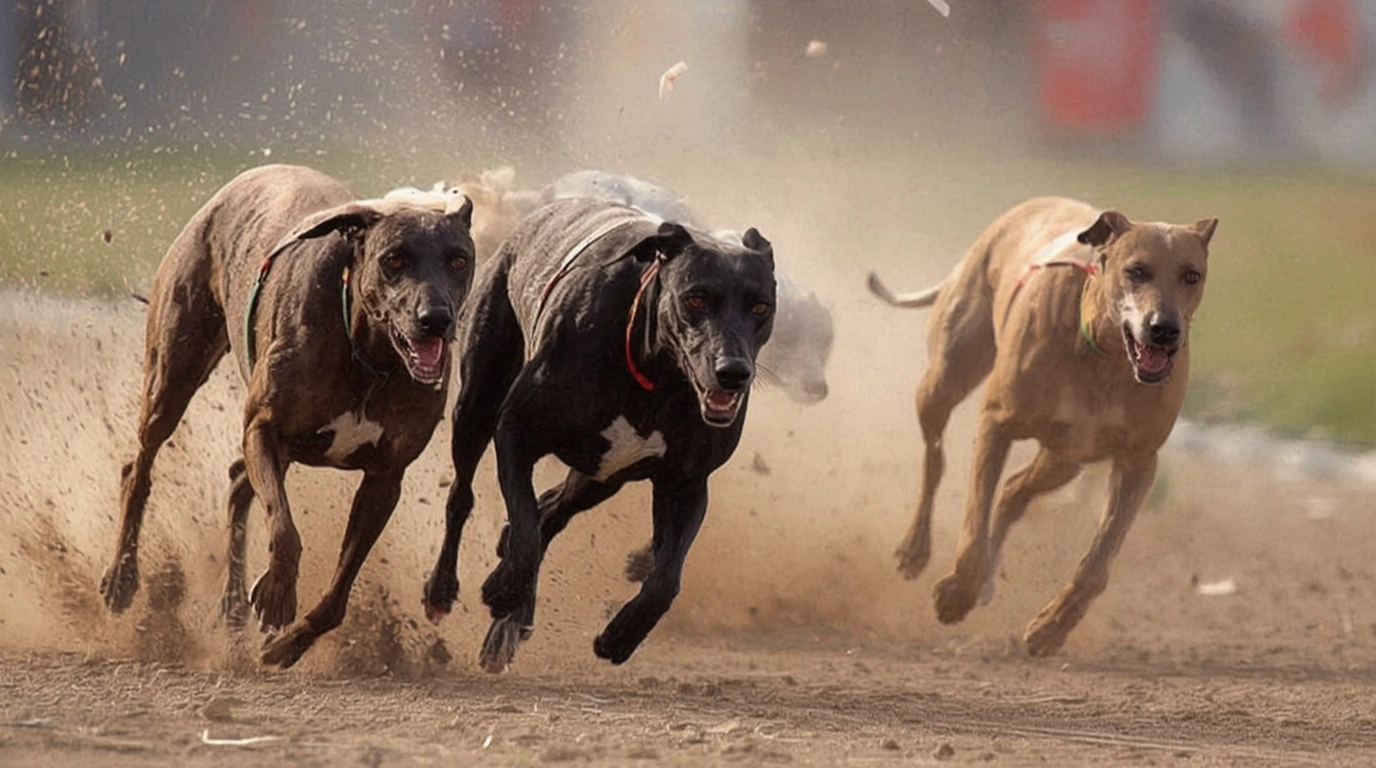
Duella
The Duella works like the Plum but removes the need for exact order. You pick two dogs to finish first and second in either order in each of two races. This reduces the combinations to 15 per race and 225 overall. It offers better odds of success than the Plum while still delivering strong returns when both legs land.
Three by Three
Three by Three involves selecting three dogs in one race and covering them so that any two finish first and second in any order. This creates three separate forecasts from your three choices. The format suits races where you can identify a strong leading group but remain unsure of the precise order between them.
Quinella
Quinella betting requires you to name two dogs that will finish first and second in any order. It is simpler than a straight forecast and pays out as long as your pair occupies the top two places. Irish bettors often use it on races with clear frontrunners or strong trap advantages.
3x3x3
The 3x3x3 system spans three races. You choose three dogs per race and win if any two of your three selections finish in the first two positions in each leg. This creates 27 separate bets in total. It rewards consistent analysis across multiple races and spreads risk more evenly than single-race bets.
These strategies give you practical frameworks to test on Irish tracks. Start with smaller stakes and track results to see which methods fit your style. Many players combine them with careful racecard study to improve their long-term approach to greyhound racing betting in Ireland.
Live Betting
Live betting has transformed the way fans interact with greyhound racing. You no longer need to finalise every decision before the traps open. This format lets you place bets while the action is underway.
Instead of placing bets before the race begins, bettors can now wager while the racing is happening. During live betting, odds change constantly in response to race events. A fast break, early bump, or strong run along the rail can shift prices within seconds.
Successful live bettors rely on fast information sources such as live score trackers and real-time race statistics. These tools help spot dogs gaining ground or fading early in the race.
Greyhound racing live streams combined with in-play markets give you direct access to the action. Most major Irish bookmakers offer live greyhound racing coverage with minimal delay. This setup allows you to watch and bet at the same time.
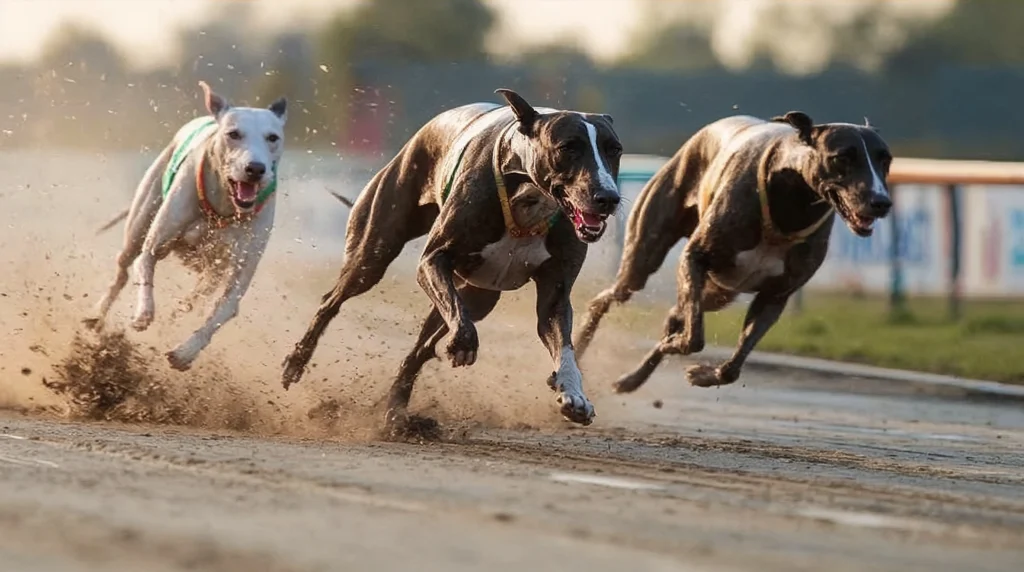
Live greyhound racing betting rewards calm judgement and quick thinking. It works best when you already know the tracks and dogs well. Many players start with small in-play stakes on familiar venues to develop their timing and confidence.
Live betting adds flexibility and extra opportunities for those who study races carefully. With practice, it becomes a useful part of your overall approach to greyhound racing betting in Ireland.
Betting Tips for Beginners
New players in Ireland can improve their results by following a few practical habits when they start betting on greyhound racing. These tips focus on building knowledge and discipline from the beginning.
- Begin with one or two tracks only. Learn their trap biases and typical race patterns before moving to others.
- Always read the full racecard. Pay close attention to recent form, trap position, and distance suitability.
- Start with small stakes. Use flat betting of one to two percent of your total bankroll per race.
- Watch several races live or via replay before placing real money bets. This helps you understand how dogs run.
- Focus on each-way bets at first. They offer better protection than straight win bets.
- Check trainer and kennel form. Some handlers perform consistently well at specific venues.
- Avoid betting on every race. Select only those where you have a clear opinion after proper study.
- Keep simple records of your bets. Note the reason for each selection and review them weekly.
- Compare odds across at least two bookmakers before you confirm your wager.
- Set a clear daily or weekly limit and stop once you reach it, whether winning or losing.
Following these tips helps beginners develop steady habits. With time and patience, you will gain confidence and make more considered decisions on Irish greyhound racing cards.
Conclusion
Irish greyhound racing offers a practical way to engage with the sport through careful analysis and measured betting. Many find satisfaction in following the dogs, learning track patterns, and applying what they observe over time.
If you approach it with discipline and a willingness to learn, greyhound racing betting in Ireland can become a rewarding activity. Start small, use the resources available, and build your experience gradually. Many players discover real value in the routine and knowledge gained from consistent participation.
FAQ
What does “Trap” mean?
The term “trap” refers to the starting box from which a greyhound begins the race. There are six traps numbered one to six, with trap one on the inside rail and trap six on the outside. The trap draw can significantly influence a dog’s chances because of the bends on Irish tracks. Understanding trap bias at each venue helps you make better-informed betting decisions.
How many dogs usually compete in a greyhound race?
Most races in Ireland feature six greyhounds. This standard field size applies to both graded races and major open events. The limited number of runners makes races easier to analyse compared to sports with larger fields.
How many greyhound tracks are still open in Ireland?
There are currently 15 operational greyhound tracks across the Republic of Ireland. These venues range from large city stadiums to smaller regional tracks, all licensed and regulated. This network provides regular racing throughout the year.
Is greyhound racing regulated?
Yes, greyhound racing in Ireland is strictly regulated. Greyhound Racing Ireland (Rásaíocht Con Éireann) oversees the sport, including track licensing, greyhound welfare, racing rules, and betting integrity. The organisation works under national legislation to maintain standards and fairness.
What is the best greyhound track in Ireland?
Shelbourne Park in Dublin is widely regarded as the best and most prestigious greyhound track in Ireland. It hosts the Irish Greyhound Derby and offers excellent facilities, fast racing surfaces, and a strong atmosphere. Many experienced bettors prefer it for the quality of competition and reliable racing conditions.